
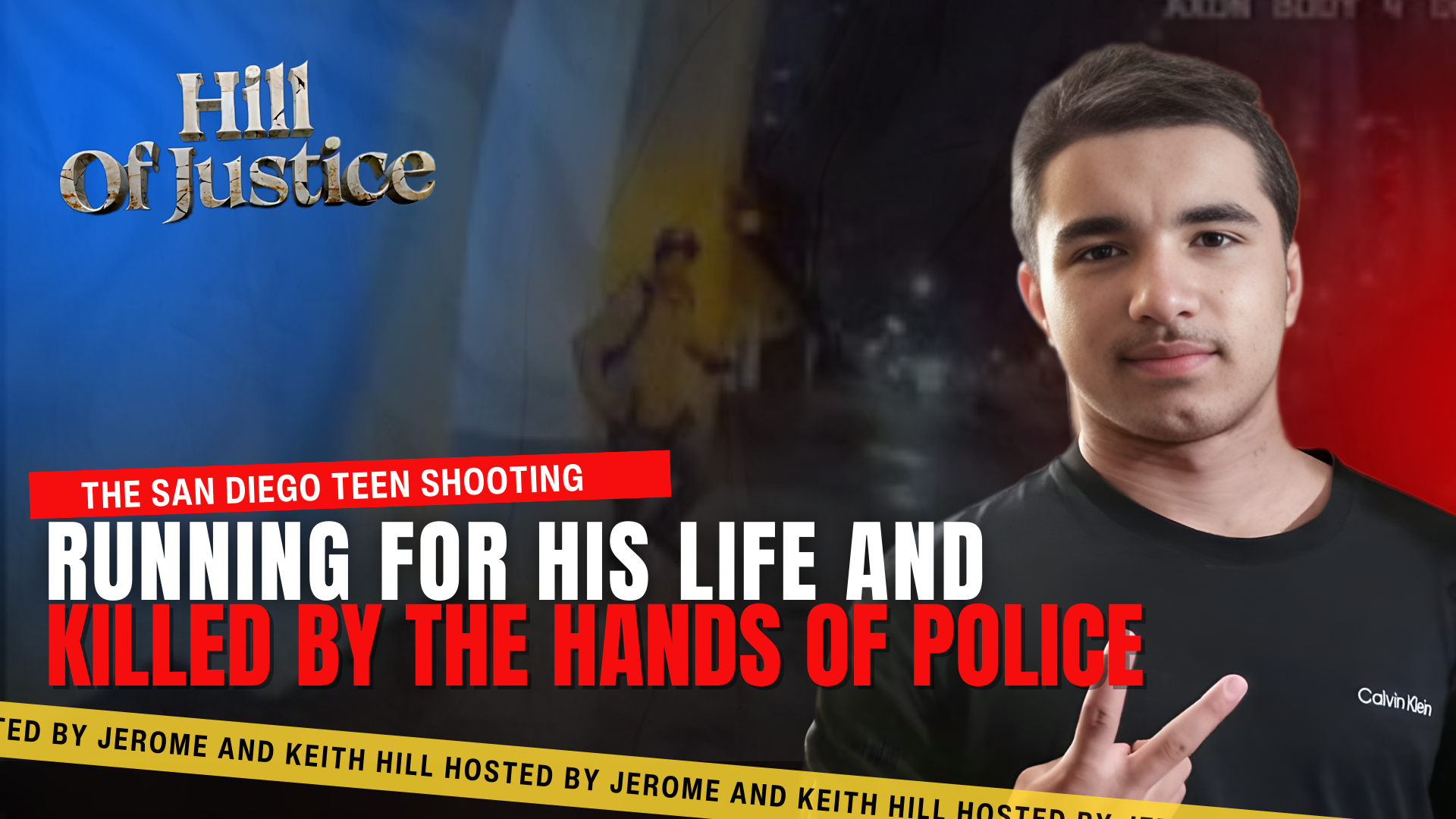
$30 Million and a Shot in the Back: The San Diego Case That May Redefine Police Shootings
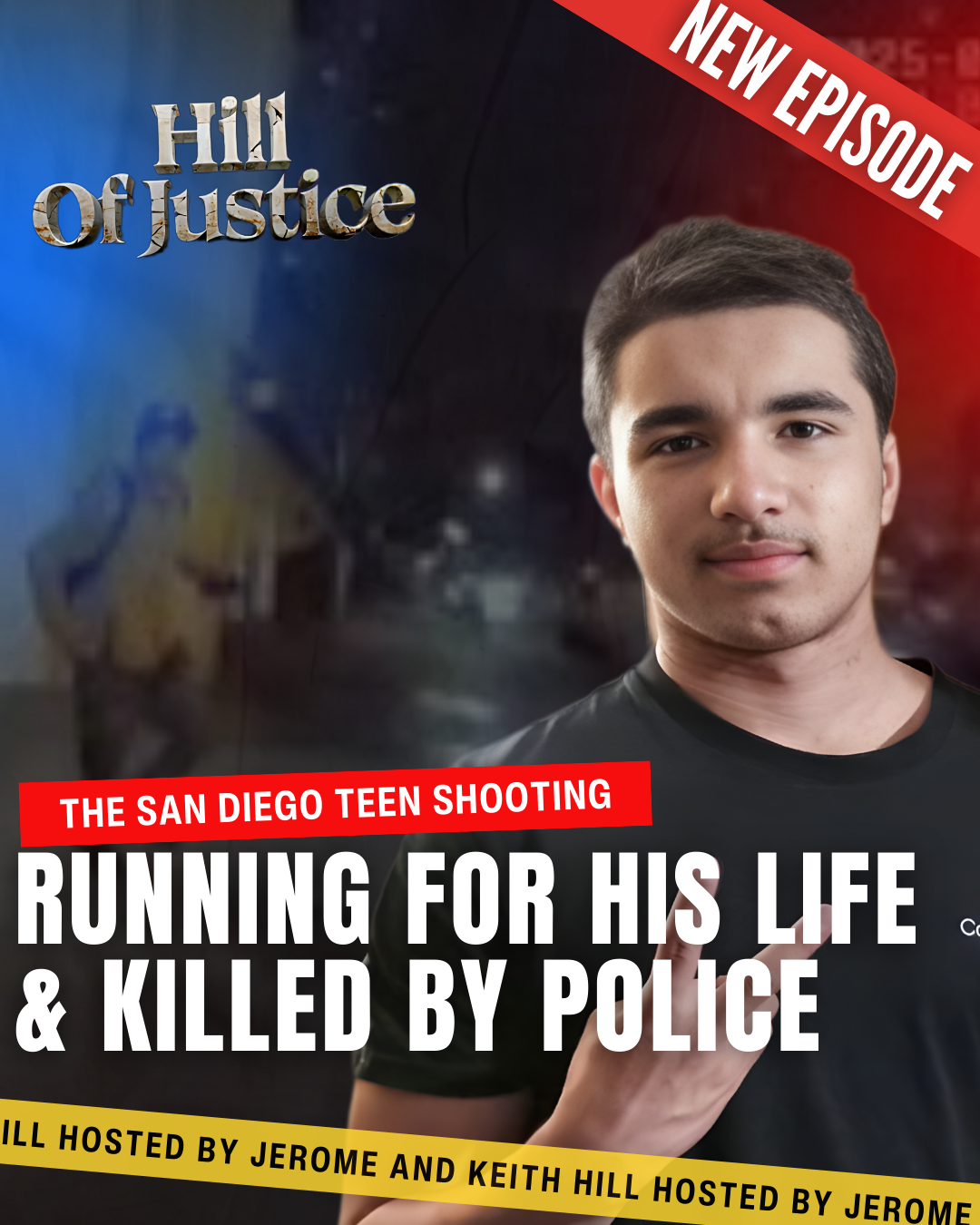
$30 Million and a Shot in the Back: The San Diego Case That May Redefine Police Shootings
When a city cuts a $30 million check, it is never accidental. It is not generosity. It is not goodwill. It is an admission that something happened which could not survive a courtroom.
In this episode of Hill of Justice, former police officer and state investigator Jerome Hill and retired Sheriff Victor Hill break down one of the largest police shooting settlements in American history. A 16 year old boy. A single officer. A split second decision. And video evidence that changed everything.
This is not just a tragic case. It may become the blueprint for how police shootings are litigated, trained, and settled across the country
The Night Everything Collided
On January 28, 2025, in downtown San Diego, chaos erupted at a train station after gunfire broke out between multiple individuals. Surveillance footage shows 16 year old Canola Wilson running away from the shooters, screaming for help, repeatedly looking back as he fled.
He was not charging anyone. He was not advancing toward police. He was running for his life.
As Wilson crossed the sight line of Officer Daniel Gold, the officer made a fatal decision. Without issuing a verbal warning, the officer fired, striking Wilson in the back. The wound was fatal.
From an investigative standpoint, Jerome Hill makes one thing clear. A back wound in this context is indefensible. The video does not support a claim of imminent threat. It contradicts any justification based on self defense or perceived danger
Fear Is Not a Defense, but It Is a Factor
Victor Hill does not describe the shooting as murder or manslaughter. Instead, he frames it as a failure rooted in fear and stress. Fear so overwhelming that the officer should never have been in that position with a badge and a firearm.
That distinction matters legally.
Murder requires intent. Manslaughter requires a heat of passion. What this case reflects is panic under pressure. A fear response so extreme that it resulted in an unjustified killing. While that does not absolve responsibility, it changes how prosecutors, juries, and departments evaluate criminal liability
The problem is not only what the officer did. It is that no training doctrine instructs officers to shoot the first person running toward safety after gunfire erupts.
Why the City Settled and Why It Had To
Jerome Hill explains that civil settlements follow a predictable escalation curve. Certain factors dramatically increase liability exposure.
This case had all of them.
• Clear video evidence that contradicted any official narrative
• A minor victim
• No verbal warnings
• A fatal back wound
• Racial implications
• Prior municipal settlement history
When city attorneys and insurers evaluate cases like this, unpredictability becomes the enemy. No city wants emotionally charged footage shown to a jury. That is how verdicts exceed even historic settlements.
For context, the George Floyd family received $27 million. Breonna Taylor’s family received $10 million. San Diego broke its own ceiling with a $30 million payout.
This was not charity. It was risk mitigation
The Question No One Wants to Answer
Despite the size of the settlement, the officer has not been criminally charged. He remains on administrative status.
That reality raises uncomfortable questions.
Why are some officers prosecuted swiftly while others are not? Why do some cases produce criminal charges and massive settlements, while others produce only financial payouts? Is prosecution sometimes quietly negotiated away in exchange for civil resolution?
Victor Hill does not argue for prosecution. He argues for consistency. The public sees a teenager shot in the back and struggles to reconcile that with a system that applies criminal accountability unevenly
The Case That Will Rewrite Policy
Both hosts agree on one point. This case will change law enforcement.
Departments will revisit use of force manuals. Training programs will be rewritten. Shoot or do not shoot scenarios will expand to include chaotic, multi actor situations like this one.
You will see slower engagement protocols. Increased discipline for firing without a clear threat. Higher civil exposure baked directly into policy language.
Money forces change. And a $30 million settlement speaks louder than any press conference.
A Tragedy That Cannot Be Settled Away
No amount of money replaces a 16 year old child. The family would trade every dollar to have their son back.
What remains is a case study that investigators, attorneys, and departments across the country will analyze for years. Not because it is unique, but because it exposes how thin the margin is between lawful force and irreversible error.
As Jerome Hill warns, if this is the new baseline, the next case with clearer footage or younger victims will push the system even further.
And the system is already at the edge.
Watch the full episode of Hill of Justice for expert analysis, investigative insight, and the conversations the headlines never include.

Be the first to leave a comment